
Treating Addiction

A Recovery Tailored to You
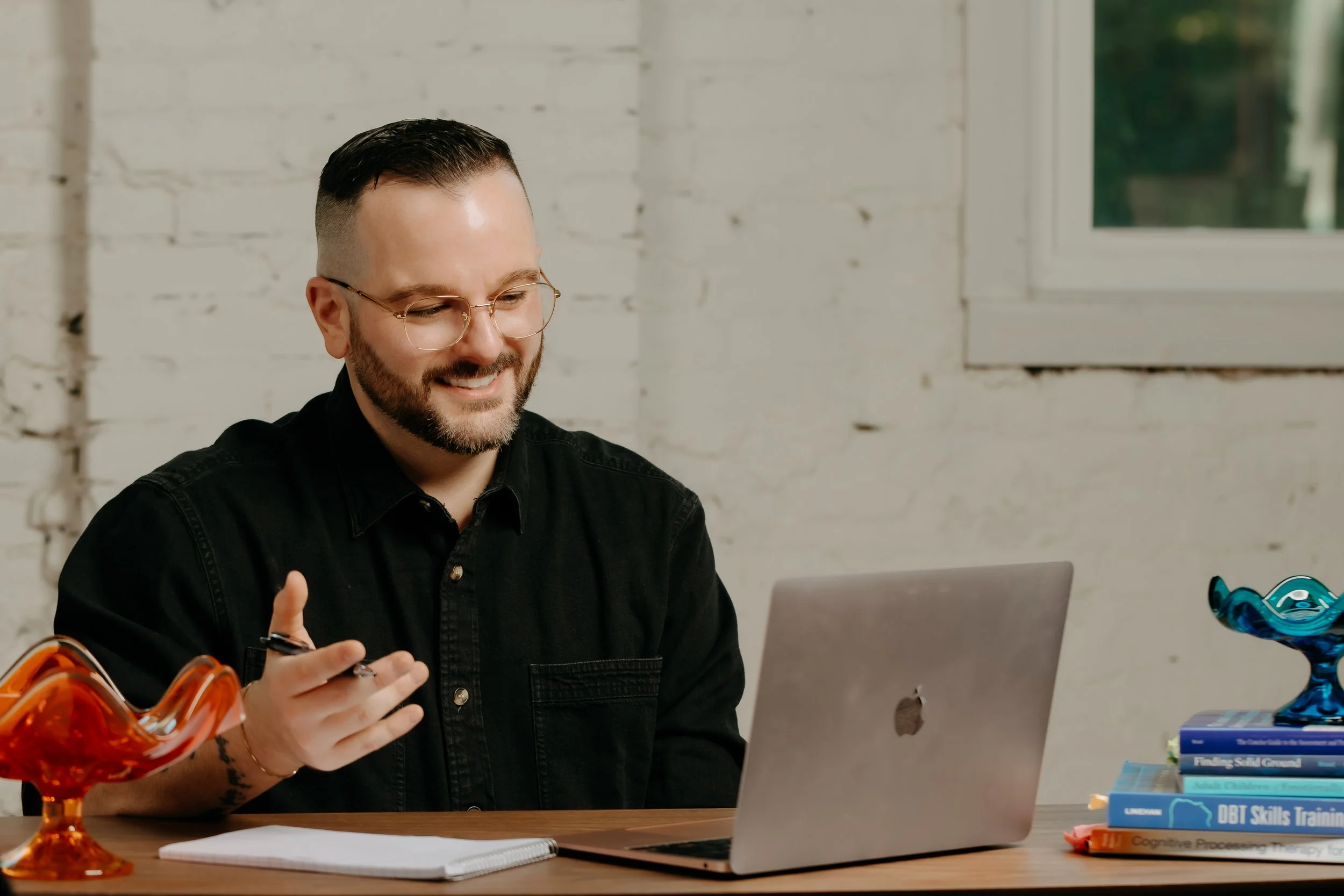
We will work together to identify what YOUR goals are for your treatment and your life and develop an individualized treatment plan to help you achieve them.
You may have realized that full abstinence is necessary for you to access a life worth living or you may not want to be fully abstinent but would rather learn how to use in a way that is safer and doesn’t stand in the way of your life.
Whatever your goal, we can work together to identify a path to achieving it.
Harm Reduction Treatment
Many of the people have sought treatment with me after having found that abstinence only treatment did not work for them for a wide variety of reasons. These people needed something different and Harm Reduction is an excellent alternative to traditional abstinence only treatment. Harm Reduction is a set of strategies and philosophies aimed at reducing negative consequences associated with substance use. Harm Reduction also emphasizes the belief in and respect for the rights of people who use substances.
Harm Reduction employs a spectrum of strategies from safer use, to managed use, to abstinence to meet substance users where they are at, while addressing conditions of use along with the use itself. The basic principle that underlies Harm Reduction is the acceptance that people will use substances. When we can accept this, we can focus on making their substance use safer, rather than working to force them into abstinence.
What Treatment Looks Like
Treatment may involve connecting you with a psychiatrist for medication assisted therapy (MAT) such as Naltrexone/Vivitrol or Buprenorphine, a Sober Coach or Case Manager, and/or family resources.
We may work to determine what your ideal use pattern would be and develop Ideal Use Plans to moderate your substance use in a safe way. Treatment will also involve a lot of education and coping skills to help address triggers that lead to problematic use.
Harm Reduction may involve abstinence from specific substances, while you explore a changed relationship with others. You may seek out support from specific groups that are traditionally abstinence only like AA/NA or other groups like SMART and Dharma.
If you continue to use some substances, we may need to build a plan around communicating this decision with people in your life and learning to navigate those relationships in assertive and direct ways. We may also need to examine the grief that comes with a changed relationship with substances in order to make peace with and further solidify your choices.
Abstinence Only Treatment
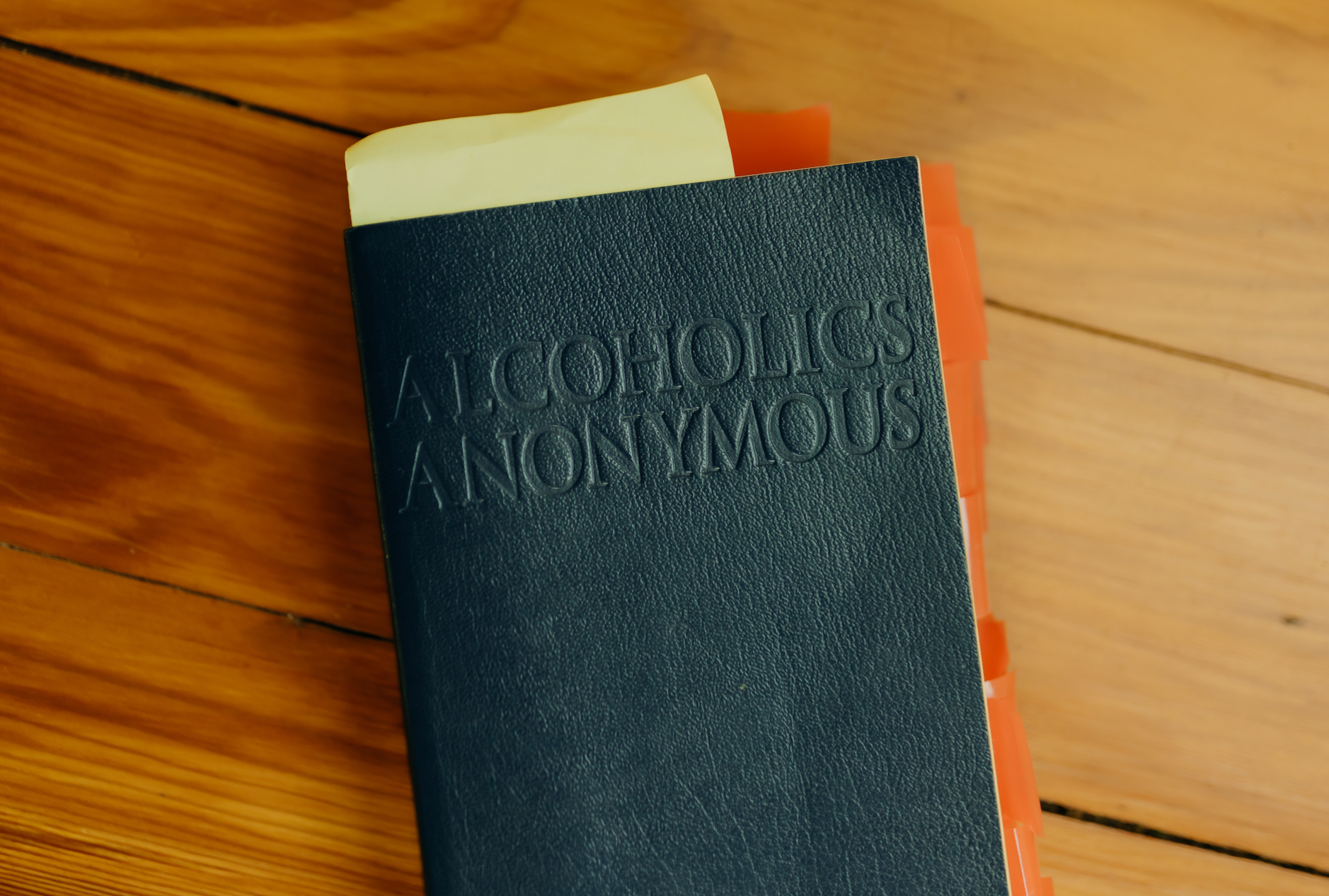
I am trained in the Minnesota Model through Hazelden Betty Ford Foundation, which is a 12-Steps, abstinence only model. I have worked with many individuals as they sought a connection to a Higher Power, grappled with the difficulties of the 12-Steps, and built a community of like-minded, sober supports.
What Treatment Looks Like
Abstinence treatment may begin with incrementally reducing how much and how often you are using until we can fully eliminate the substance use. It also may involve techniques of harm reduction at the onset, such as a referral to a psychiatrist for medication assisted therapy, with the goal of tapering off of this intervention. You will learn coping skills to help manage difficult emotions that trigger urges including learning how to ride the wave of an urge.
If you would like to engage with a fellowship program, we can work to identify which would best suit you and your goals. There are many options available that can broaden your social support network including AA/NA, SMART Recovery, and Dharma Recovery.
Abstinence treatment is also inherently a grieving process. For so many, their substance of choice was the most consistent “support” they have had and so losing that can be difficult and bring up a lot of confusing emotions. Our work would open up space to build understanding and to process the feelings related to this loss.
Regardless of what direction you take in treatment, I work to always meet you where you are at. This means setting goals for treatment and your life that are yours, not your family’s, partner’s, friend’s, society’s, or mine. We will embrace small, incremental changes and celebrate those wins. We will always collaborate on your care and the decisions made within it. I will work to empower you to make decisions aligned with your goals and values and approach you and our work from a place of non-judgment and compassion.