

EMDR Therapy
What is EMDR?
(Eye Movement Desensitization Reprocessing)
EMDR is a specialized treatment with a set of standardized protocols that incorporates elements from many different treatment approaches to facilitate healing. At its core, EMDR is an exposure-based therapy first developed by Dr. Francine Shapiro in 1987.
EMDR is an evidence-based treatment model that has been found effective in the treatment of many disorders including PTSD and trauma-related disorders.
It involves 8 Phases of Treatment with a strong emphasis on education, coping (or “resourcing”), desensitizing, acceptance of positive perspectives, connection with one’s body, and building hope for the future.

How Does EMDR Work?
EMDR utilizes bilateral stimulation to help accelerate the processing of traumatic content and in turn, speed up healing.
Bilateral stimulation in refers to the rhythmic, alternating stimulation of the left and right sides of the body or sensory field. This alternatively activates the two hemispheres of your brain, which along with exposure is believed to be the effective mechanism of EMDR.
Bilateral stimulation can be done in many ways from alternating tapping on your legs to alternating tones in headphones. Classic EMDR employs bilateral eye movement, in which patients follow either the therapist’s hand, an object, or a light as they focus on a troubling memory and belief about themself.
It is believed that bilateral stimulation mimics standard memory consolidation of normal memories, a process which is unable to successfully consolidate traumatic ones. This then helps these traumatic memories become “unstuck” and can facilitate natural healing.
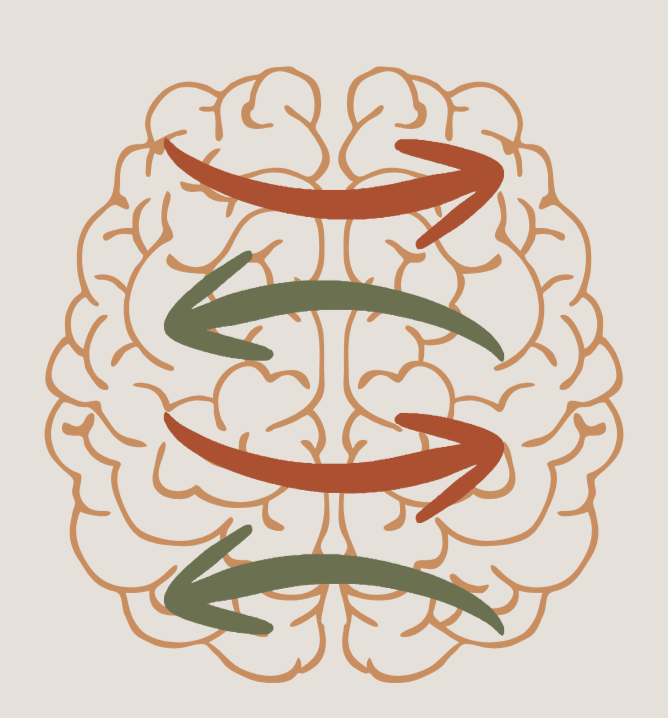
There is a standard protocol made of 8 Phases as well as specialized protocols for specific issues including complex posttraumatic stress. My practice utilizes an online platform developed specifically for EMDR. It offers access to different types of bilateral stimulation including visual, tactile, and auditory.
EMDR 8 Phase Model
Phase One: Target Sequence Planning
Together we will build a map of “targets” to focus our work on. Phase 1 also involves a lot of education.
Phase Two: Preparation & Resourcing
Learning and practice of several different coping and containment skills to use during and between sessions.
Phase Three: Accessing & Activation
We will identify how to access the Negative Cognition and the emotions/sensations.
Phase Four: Desensitization & Reprocessing
This is where processing with bilateral stimulation is administered in sets of different lengths and speeds.
Phase Five: Installation
Installing a Positive Cognition in place of the Negative Cognition from Phase 4.
Scanning your body for any sensations associated with the traumatic experience in order to eliminate them.
Phase Six: Body Scan
Process how the session went and how you are feeling now. Use of stabilizing exercises as well.
Phase Seven: Closure
At the start of next session we begin with a recap of the previous and assessment of how you have been since then. Address any residual distress.
Phase Eight: Reevaluation



Cost of EMDR at Canetta Psychotherapy
No Call/No Show or Late Cancel without 48hr notice and/or Consultation/Secondary Work outlined above, cannot be reimbursed by insurance companies